
Helium Balloon Shortage Forces Businesses to Rethink Outdoor Advertising
Byline: Arizona Balloon Company (arizonaballoon.com) — August 7, 2026
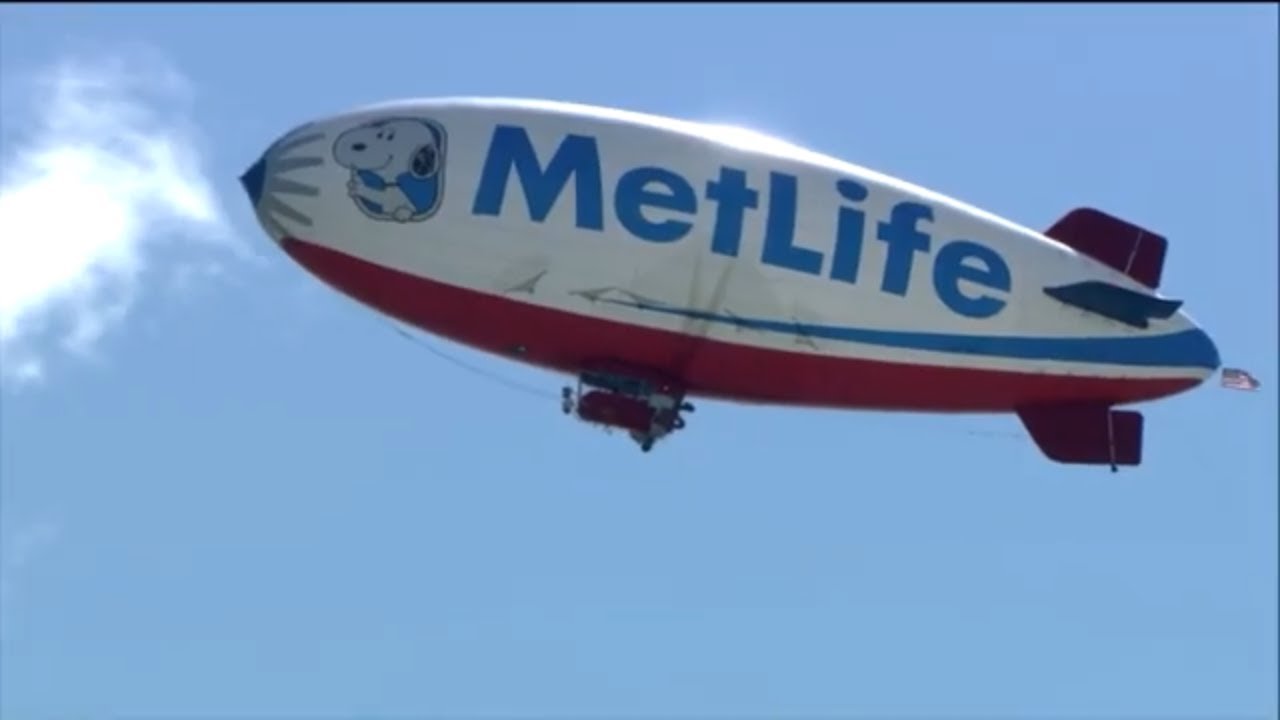
The Helium Balloon Shortage Crisis, Explained
The helium balloon shortage that emerged earlier this year continues to ripple through the events, retail, and advertising industries. The war in the Middle East has disrupted helium supplies, with the disruption affecting far more than just party balloons. Qatar has historically supplied roughly a third of the world’s helium, and Iranian missile strikes on Qatar’s Ras Laffan facility in March 2026 damaged production infrastructure, taking a significant share of annual helium output offline. For companies that rely on helium advertising balloons to drive foot traffic and brand visibility, understanding this supply chain disruption is essential to planning the rest of the year.
Industry analysts now expect the shortage to persist for years rather than weeks, with elevated prices likely to remain for an extended period even after shipping routes stabilize. That timeline matters for any business planning a launch, grand opening, or seasonal campaign built around inflatable displays.
Why the Helium Balloon Shortage Matters for Marketers
Marketing teams that lean on large-format inflatables for visibility are feeling the pinch differently than party supply retailers, but the underlying pressure is the same. During shortages, helium sold for party balloons and other lifting applications tends to get cut off first, since medical imaging and semiconductor manufacturing are treated as higher priorities by suppliers. That allocation order means marketing and events budgets are more exposed to price swings and availability gaps than industries with contractual priority status.
For businesses that depend on eye-catching aerial displays — new home communities, dealership lots, and trade show booths among them — the practical question becomes how to keep a location-based marketing strategy running when the lifting gas itself is harder to source. Many are turning to companies that manufacture, service, and rent marketing blimps built for durability and repeat use rather than one-time inflation.

How Businesses Are Adapting
Balloon and event companies across the country are adjusting their models rather than shutting down. Some balloon providers have shifted toward air-filled displays instead of helium-filled ones, sharing new, more durable designs so clients can see what remains possible without relying on a limited resource. Others are stockpiling helium in advance of peak seasons or locking in supplier contracts earlier than usual to avoid last-minute allocation cuts.
For advertising balloon and blimp operators specifically, the shift favors equipment designed for longevity — reusable vinyl balloons, tethered systems, and blimps that can be serviced and reflated efficiently rather than replaced. Businesses that already work with a full-service provider are better positioned to weather allocation swings than those sourcing helium tank by tank from local suppliers.
Impact on Trade Shows and Grand Openings
Grand openings and trade show activations are especially sensitive to the helium balloon shortage because timing is everything — a delayed helium delivery can mean a launch event without its signature aerial display. Home builders opening new model communities and auto dealers hosting weekend sales events are increasingly booking inflatable displays weeks in advance rather than days, and confirming with vendors that helium supply is secured before the event date.
Trade show exhibitors face a similar calculus. Convention centers and expo halls have not reported widespread helium restrictions, but exhibitors who wait until the week of the show to book a balloon or blimp display risk running into the same allocation delays affecting party supply retailers nationwide.
Alternatives and Solutions
Not every high-visibility display requires helium. Cold-air inflatables — the tube dancers, arches, and giant character balloons powered by a continuous-duty blower rather than gas — are seeing renewed interest precisely because they sidestep the shortage entirely. Tethered advertising blimps that use a fixed helium fill and are serviced periodically, rather than reinflated from scratch for every event, also reduce total helium demand per display compared to disposable balloon setups.
Businesses weighing their options should ask vendors directly about helium sourcing, contract priority, and whether air-powered alternatives could meet the same visibility goals for a given campaign.
Outlook for the Rest of 2026
Analysts remain divided on when relief will arrive. Air Liquide’s CEO has acknowledged tension in a market that shifted from excess capacity to deficit, noting the company is working closely with clients to allocate volumes as carefully as possible. Until Qatar’s damaged facilities are fully repaired, businesses should expect continued price volatility and plan marketing calendars with that uncertainty in mind.
What This Means for Your Marketing
Outdoor, location-based marketing still delivers some of the strongest visibility-per-dollar of any advertising channel, but the helium balloon shortage is a reminder to diversify how that visibility gets created. Businesses that pair traditional helium displays with reusable, low-helium-dependency options — like tethered blimps or cold-air inflatables — protect their campaigns from supply disruptions without giving up the scale and attention that large aerial displays provide.
Booking early matters more than ever. Home builders planning model-home openings, dealers scheduling sales events, and exhibitors reserving trade show space should confirm equipment and helium availability well ahead of the event date rather than assuming next-day fulfillment. A full-service partner that manufactures, services, and stocks its own equipment is far less exposed to the allocation cuts hitting smaller, tank-by-tank operators.
For businesses ready to plan ahead, working with a provider of aerial marketing blimps and advertising balloons that manages its own supply chain offers more predictability than relying on last-minute rentals during a period of ongoing helium constraints.
Sources
- Marketplace — “The war’s helium shortage is bad news for more than balloons”
- C&EN — “Helium supplies are tight—and it could get worse”
- WestAir Gases — “2026 Helium Shortage: Why Recovery Will Take Years, Not Weeks”
- The Globe and Mail — “In a helium shortage, balloon stores scramble to stay afloat”
Related posts: